Homeowner Tips
Hermitage Roofing Co., Inc.
Essential Roof Care Tips Every Central Virginia Homeowner Should Know
Hermitage Roofing Co., Inc provides homeowners throughout Central Virginia with practical tips to protect their homes and roofs year-round. From winterization advice like testing smoke alarms, replacing furnace filters, and sealing drafts to inspecting fireplaces and cleaning gutters, these steps help improve safety and energy efficiency. After storms, homeowners are encouraged to check for fallen shingles, gutter damage, and water leaks, while leaving roof inspections to professionals for safety.
Hermitage Roofing also educates customers on common causes of roof damage—such as weather, age, and neglect—and offers guidance on when repairs are sufficient versus when a full replacement is needed. For historic properties, the team emphasizes preserving original materials and craftsmanship. Finally, Hermitage highlights the benefits of hiring a local contractor, including faster service, community support, and expertise with regional building codes. These tips ensure homeowners can maintain their roofs, prevent costly damage, and make informed decisions about repairs or replacements.
Ready to protect your home and roof?
Contact Hermitage Roofing today to schedule an inspection or learn more about our expert tips for maintenance, repairs, and replacements. Our experienced team is here to help you keep your roof in top shape year-round.
Winterization Tips in Richmond
- Test smoke alarms regularly and replace batteries
- Keep fire extinguishers accessible; replace every 10 years
- Inspect and clean fireplaces or wood stoves annually
- Install storm doors and windows for energy efficiency
- Use window insulation kits to reduce drafts
- Apply caulking and weather stripping around windows
- Place draft stoppers (or towels) at the bottom of doors
- Check attic insulation; add more if less than 12 inches thick
- Replace furnace filters monthly
- Have an HVAC professional inspect the furnace for safety and efficiency
- Clean gutters and remove rooftop debris
- Install gutter guards if you live near trees
- Trim tree limbs hanging over the house or driveway
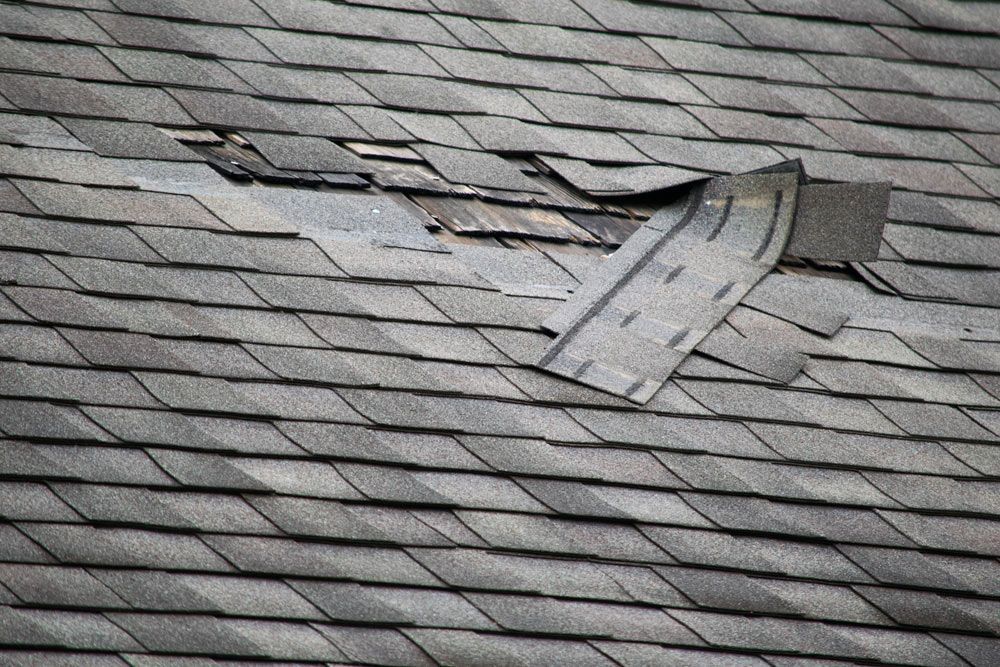
Assessing Weather Damage
- Stay out of the home if a tree falls on it; call a professional immediately
- Walk around the house to check for fallen shingles or metal pieces
- Inspect gutters for sags, dents, or detachment from the roof
- Look for missing or dark spots on roof shingles
- After hail, check siding for dents and dings
- Check attic and walls for leaks or water stains
- Contact your homeowner’s insurance for possible coverage
- Avoid climbing on the roof yourself; hire a professional for inspection
- Make repairs promptly to prevent further damage
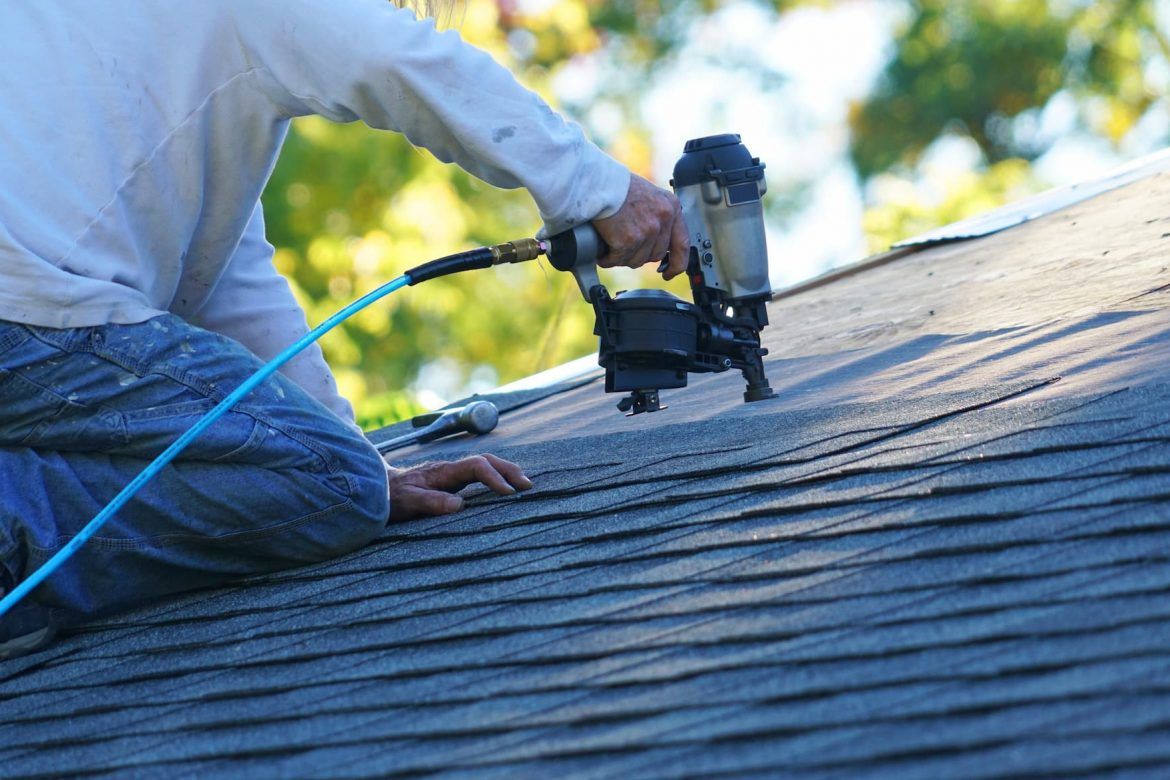
4 Common Causes of Roof Damage
Weather is a major cause of roof damage:
- Strong storms, wind, hail, and snow can damage shingles and block drainage
- Direct sunlight over time can wear out roofing materials
Age affects roof durability:
- Most roofs last 20–30 years before showing signs like cracking, rotting, or missing shingles
Improper installation can lead to leaks:
- Always hire an experienced roofing contractor for your roof type
Neglecting repairs worsens damage:
- Schedule regular inspections and fix small issues promptly
- Replace dislodged shingles and repair exposed underlayment early
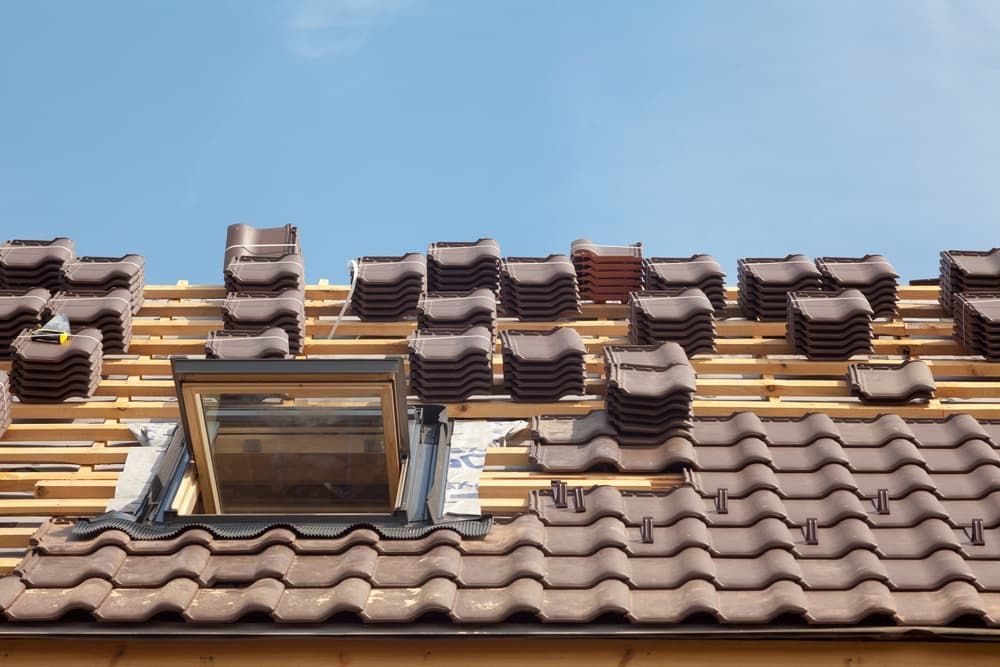
Do I Need Roof Repair or Replacement?
When Roof Repair May Be Enough
- Missing shingles can often be repaired; check for water damage underneath
- Surface cracks, chips, or minor leaks without sagging or mold can be patched
- Repairs may be chosen for budget reasons, but frequent fixes can cost more long-term
When Roof Replacement Is Recommended
- Most roofs last 20–30 years; older roofs are better replaced than repaired
- Heavy damage from storms, water intrusion, or structural issues often requires replacement
- Mold or compromised air quality signals deeper problems
- Homeowners may replace roofs for aesthetic updates or material/color changes
General Advice
- Regular maintenance and inspections extend roof life
- Consult an experienced roofing company for accurate evaluation and options
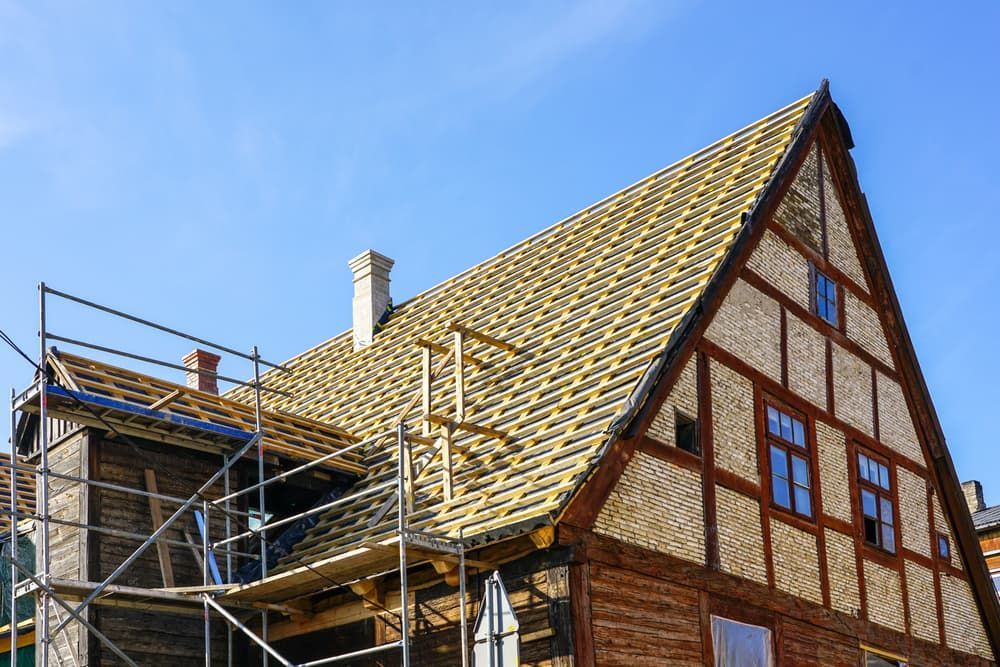
Roofing for Historic Buildings
Why Historic Roofs Need Special Care
- Preserve historical architecture for future generations
- Repairs require expertise with traditional materials and structures
- Maintain both structural integrity and original design features
Common Historic Roofing Materials
- Clay: Hand-formed tiles, often seen in mission-style or Moravian buildings.
- Wood: Staggered wood shingles, later improved with fire-resistant bases.
- Slate: Popular in the 19th–20th centuries for fire resistance and decorative color variations.
- Metal: Copper, corrugated iron, and alloys used in historic mansions and cupolas.
Repairing Historic Roofs
- Work layer by layer to avoid damaging underlying structures
- Technicians must understand chimneys, vent pipes, and original craftsmanship
- Use historically accurate materials and methods whenever possible
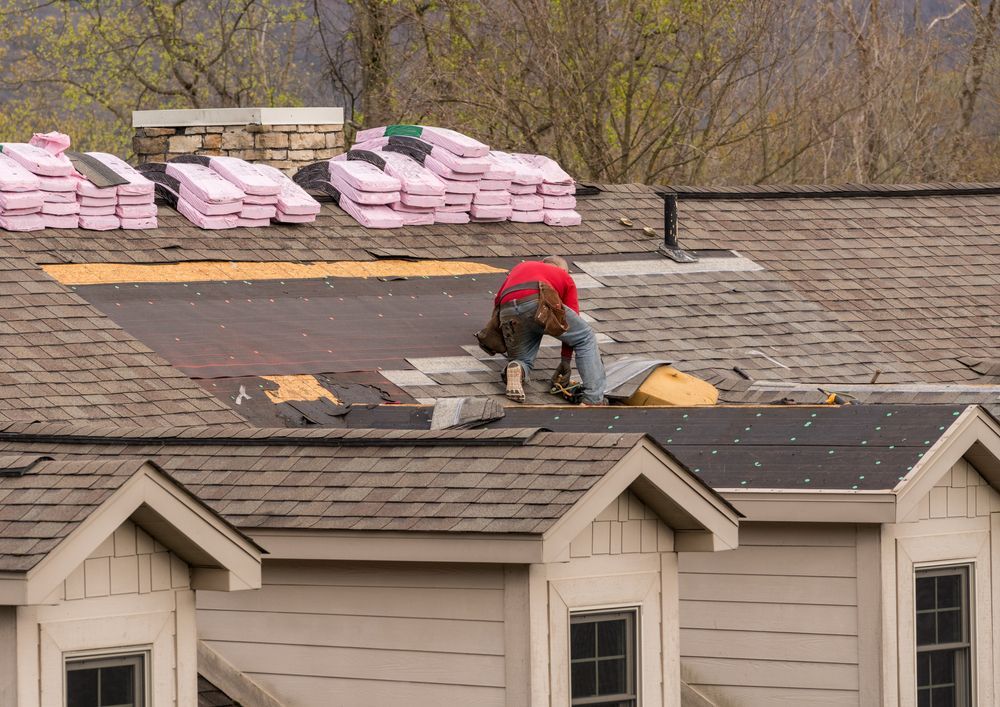
5 Benefits of Hiring a Local Roofing Contractor
Benefits of Hiring a Local Roofing Contractor
- Local expertise: Familiar with regional weather patterns and local building codes.
- Strong reputation: Local companies rely on community trust and word-of-mouth.
- Faster service: Quick response times for inspections and emergency repairs.
- Lower environmental impact: Materials sourced locally reduce transportation and carbon footprint.
- Community support: Hiring local contractors helps employ neighbors and supports local vendors and charities.