October 30, 2026
The health of your roof is crucial to the safety and overall value of your home. While regular maintenance can undoubtedly extend its functional life, there are certain undeniable signs that clearly indicate it is time for a complete replacement. This comprehensive article explores some key indicators that loudly signal the need for a brand-new roofing system. A roof is a substantial investment, and knowing exactly when it is time to replace it ensures you consistently get the absolute best return on that financial commitment. Furthermore, upgrading your exterior infrastructure offers incredible aesthetic and financial benefits. According to Today's Homeowner, a fresh asphalt roof typically returns 60%–70% of its cost in improved home value. Being proactive saves you from unexpected disasters and protects your household.
Identifying Visible Shingle Damage
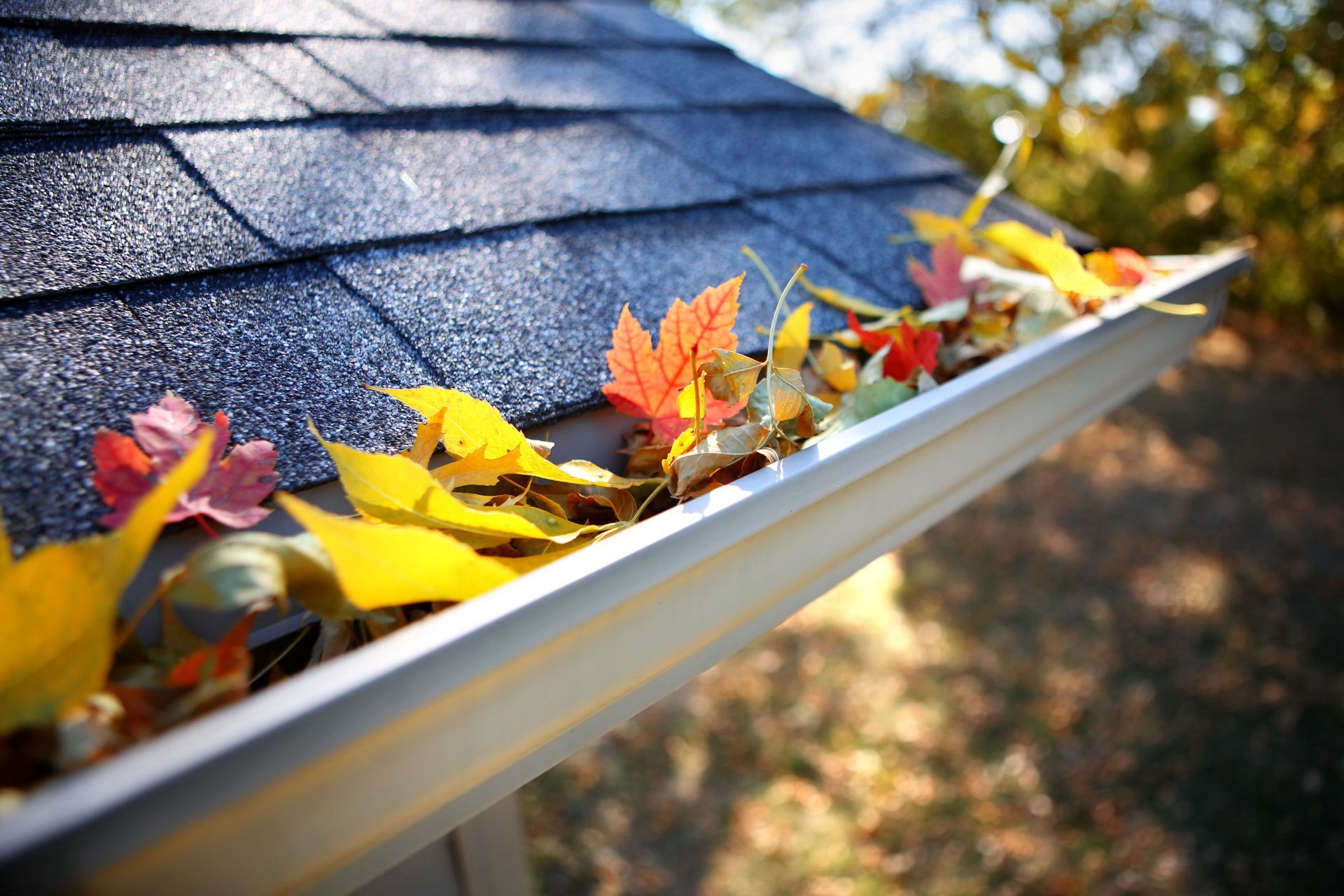
Cracked, curling, or missing shingles are often the primary precursors to far more significant roofing complications. Over time, prolonged exposure to harsh environmental elements leads to severe wear and tear, eventually resulting in deep fissures across the asphalt shingles. These cracks rapidly provide entry points for rainwater, leading to destructive internal leaks. The curling of shingle edges, often due to natural aging or poor attic ventilation, means the materials can no longer effectively protect your home from wind and rain. Furthermore, finding excessive shingle granules in your gutters indicates extreme wear, as these tiny granules protect the material from harmful UV rays. When you observe this level of physical deterioration, contacting a professional roofing contractor is highly recommended to assess the structural integrity and prevent further water infiltration.
Tracking the Age of Your Roof
The average lifespan of standard asphalt shingles is typically between twenty and twenty-five years. As your roof rapidly approaches this pivotal age, you must carefully watch for unmistakable signs of aging or severe material deterioration. Older roofs, even with incredibly diligent annual maintenance, will inevitably lose their functional effectiveness. Different roofing materials naturally possess specific lifespans; durable metal roofs might easily last forty to seventy years, while premium slate or tile can endure for over fifty years. Observing the condition of roofs in your immediate neighborhood can also offer valuable clues, as homes built concurrently usually require replacements simultaneously. If your materials are nearing their expected expiration date, consulting a knowledgeable roofing contractor can provide absolute clarity on whether immediate replacement or temporary repairs are necessary for your property.
Observing Structural Sagging and Weakness
Signs of physical sagging in the roof deck indicate profoundly serious structural issues that require immediate professional intervention. A visibly sagging roof is most often caused by persistent moisture accumulation, which can secretly rot and drastically weaken the foundational roof supports over time. Such sagging is a critical safety concern and warrants urgent assessment to absolutely avoid catastrophic structural collapse. Similarly, sagging in your internal ceilings firmly points to underlying roofing problems where continuous water intrusion has completely compromised the drywall and interior framing. Issues within roof valleys, where two slopes meet, also demand special attention as compromised valleys channel rainwater directly into vulnerable areas. A skilled roofing contractor can determine if the sagging requires extensive internal structural rebuilding or a standard exterior roof replacement.
Detecting Internal Water Leaks and Stains
The frustrating presence of brown or yellowish water stains on interior ceilings or walls often serves as the most prominent indicator of a leaky, compromised roof. These unsightly stains are entirely symptomatic of active water damage and necessitate immediate repair to prevent dangerous mold escalation. Visible water spots typically become far more evident during or immediately after heavy precipitation, as structural breaches allow trapped moisture to pool and expand rapidly. Active leaks observed during intense rainstorms are incredibly strong indicators that your roof’s vital water-repelling abilities are now severely diminished or entirely gone. To completely avoid escalating interior home damage from uncontrolled water intrusion, bringing in an emergency roofing contractor to evaluate the exact source of the active leak is absolutely essential for protecting your property.
Discovering Hidden Mold and Mildew
Evident mold, mildew, or widespread wood rot in the attic is a highly dangerous sign of persistent moisture problems, which almost always stem from a failing roof system. Poor ventilation and chronic rainwater leaks create an incredibly favorable, damp environment for rapid mold growth, which subsequently degrades essential structural wood components. Mold strongly indicates a continuous moisture presence, frequently requiring both comprehensive roof replacement and interior attic remediation. Additionally, persistent musty odors inside your living spaces often imply ongoing, unseen moisture issues hiding behind walls or directly beneath the upper roof sheathing. Because these damp conditions drastically impact indoor air quality and family health, a trained roofing contractor should properly inspect the roof decking and ventilation systems to completely eradicate the primary source of the moisture.
Noticing Unexplained Energy Bill Spikes
Insufficient insulation combined with a failing roof structure can easily lead to substantially increased monthly household energy costs. Poor insulation combined with compromised roofing materials allows expensive heat to escape rapidly in the winter and permits stifling heat to penetrate during the summer. This constant disruption of basic thermal regulation causes erratic indoor temperatures and forces your HVAC systems to constantly work in overdrive. Outdated or damaged roof ventilation systems further hinder energy efficiency, allowing intense heat buildup to deteriorate the exterior shingles from the inside out. Upgrading to modern materials can drastically improve heat absorption qualities and lower utility bills. An experienced roofing contractor can seamlessly integrate advanced ventilation and reflective materials during a replacement to maximize long-term energy savings.
Assessing Severe Weather and Storm Damage
Violent weather events drastically and immediately reduce a roof's overall lifespan. Heavy hailstones can leave highly noticeable dents and severe cracks in roofing materials, completely jeopardizing the critical protective outer layer. High winds during severe thunderstorms can quickly loosen, uplift, or remove large sections of shingles, leading to instantaneous interior leaks and structural instability. Furthermore, debris impact—especially from heavy, falling tree limbs—represents a significant threat to your home, capable of piercing the roof structure and causing immense internal destabilization. Following any massive storm involving heavy hail or high winds, securing a post-storm professional inspection is vital. Hiring a local roofing contractor ensures that all hidden, storm-induced damage is meticulously documented for insurance claims and promptly repaired.
Reviewing Warranty Expiration and Roof Layers
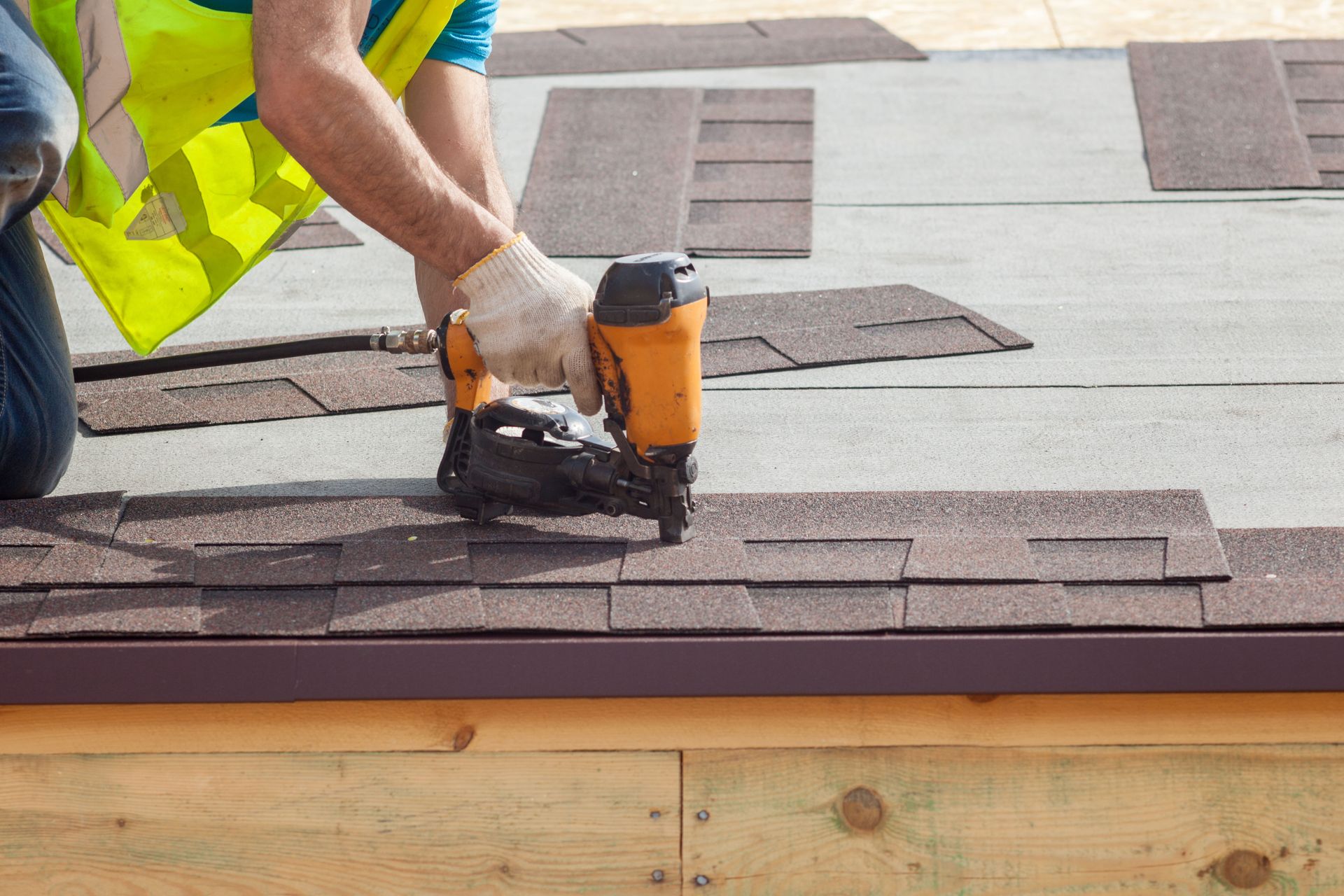
A roof's official warranty expiration date can clearly indicate when you should begin budgeting for a full replacement. While an expiring warranty will not directly cause immediate structural failure, it highlights that the roofing materials have likely reached the absolute end of their guaranteed functional life. Additionally, older homes with multiple existing layers of shingles face unique structural challenges; a wooden frame can only safely support a specific number of heavy layers before structural stability is completely compromised. If your roof already features multiple layers, a complete tear-off and replacement might be necessary. Consulting with a licensed roofing contractor will guarantee that your brand-new roof complies with all current building codes and safely provides maximum protection.
Identifying the perfect time to replace your aging roof can save you from costly internal repairs and irreversible structural damage. By paying close attention to these vital warning signs—ranging from curling shingles to unexpected energy spikes—you can guarantee that your home remains fully protected and maintains its overall market value. The investment in a high-quality new roof not only safely secures the structural health of your living space but also enhances its curb appeal. Stay proactive, perform regular visual inspections, and when the pivotal time finally comes, embrace the numerous advantages of a complete roof replacement. If you are experiencing any of these troubling signs, please contact Hermitage Roofing Co., Inc. today to schedule your comprehensive consultation!